
|
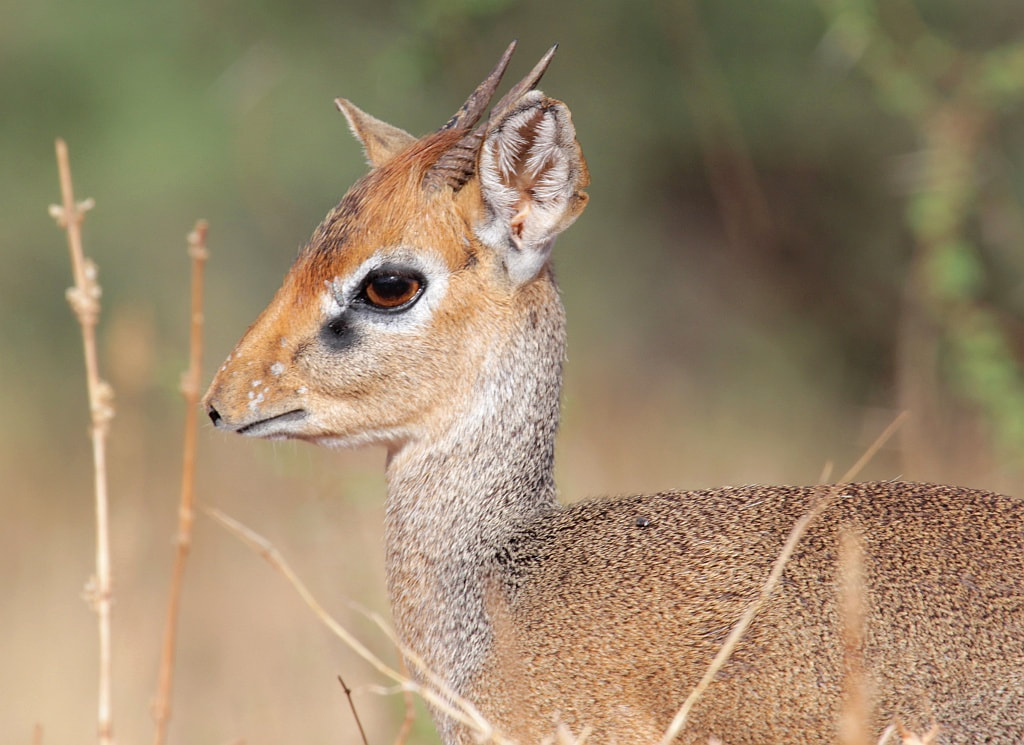
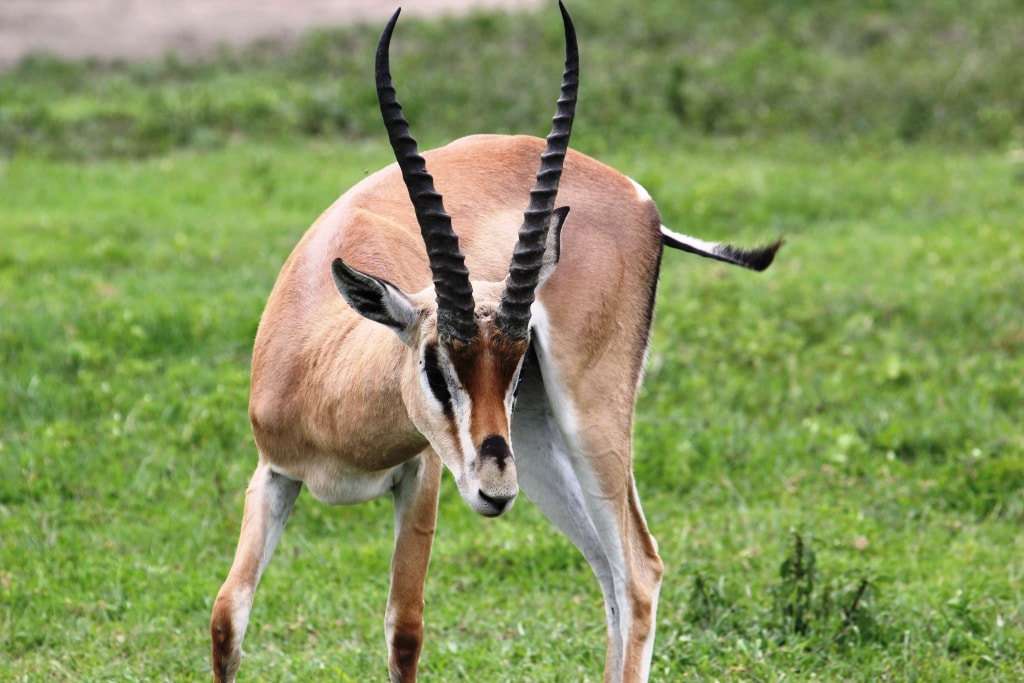
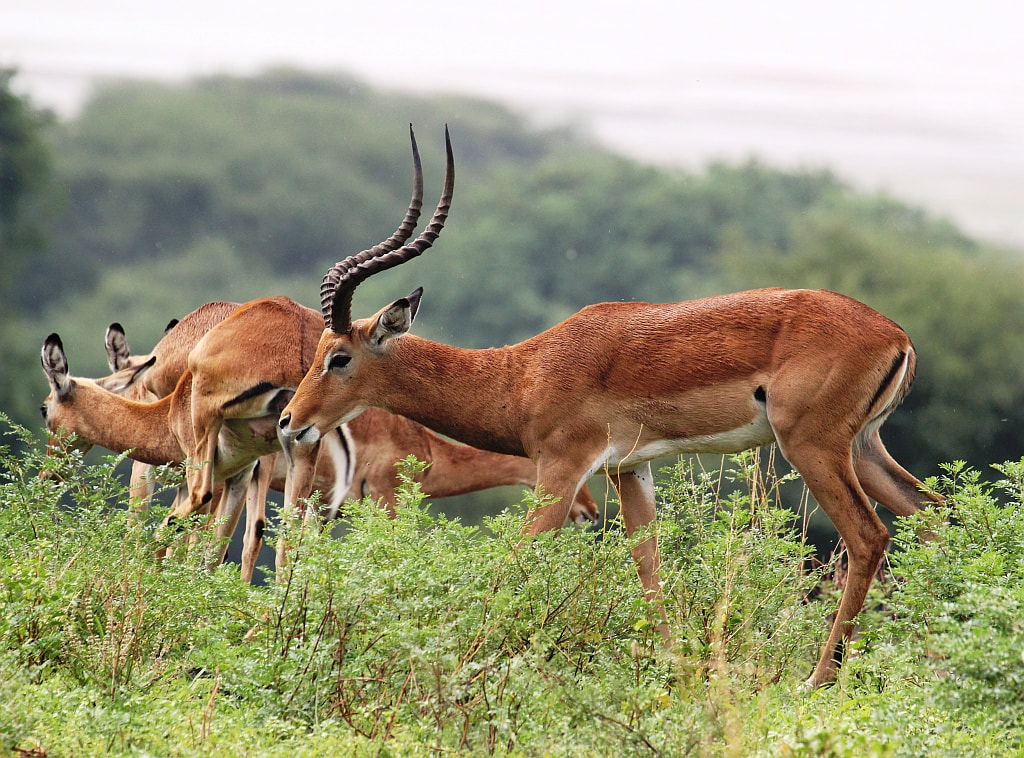
New research shows that for antelope populations in East Africa, it is not just about the weather but where they can roam. This highlights why we need big, connected spaces for conservation. Environmental changes threaten naturally heterogeneous and dynamic ecosystems that are essential in creating and maintaining a rich, resilient, and adaptable biosphere. In East Africa’s savanna, antelope populations are vital for a healthy and functioning ecosystem. They shape the vegetation, disperse seeds, cycle nutrients, and provide food for other animals. A natural dynamic mosaic of vegetation types, water sources, and weather forms a delicate balance with the antelopes that is more and more disrupted by human influences and climatic changes. To protect these hotspots of biodiversity and enable the ecosystem to work properly, it is vital to maintain healthy antelope populations. Previous studies have shown that densities of savanna antelopes vary based on location, season, and year, but no empirical studies had ever examined all these effects together. Simultaneously studying how environmental variation over space and time affects the local densities of antelope species could resolve whether location, or seasonal or annual variation is the most important factor driving local densities of these wildlife. Using seven years of antelope monitoring data from the Tarangire Ecosystem in Tanzania, an international collaboration between the University of Zurich and the Wild Nature Institute examined this question. They found spatial factors explained the largest proportion of variation in density for four of the five antelope species they studied. These spatial covariates included proximity to water and human activities as well as vegetation community—suggestive of both bottom-up (resources) and top-down influences (avoiding natural predators) on local densities. The research was published in the journal Population Ecology. In the Tarangire Ecosystem, antelopes respond to changing climatic conditions and the fluctuating availability of resources by moving across space. Lead author Lukas Bierhoff, a graduate student in the Department of Evolutionary Biology and Environmental Studies at University of Zurich, said “these results demonstrate that antelopes depend upon water and forage availability, but are flexible in their responses to climatic variation when they have the option to move and seek out the necessary resources for the current conditions.” Helping antelopes move across space to adapt to climate and habitat changes As natural savanna habitats and climate are rapidly being altered by human activities, effective conservation strategies are needed to ensure the persistence of antelopes and all the services they provide to maintain healthy ecosystems. “This study provides further evidence that the protection of large, connected areas of different habitat types and permanent water sources are the best way to maintain high biodiversity and a functioning biosphere. Providing habitat options for the antelopes enables them to respond to a temporally changing world by moving across space,” Bierhoff said. The research team also identified guilds of antelopes whose densities co-varied, and that might respond similarly to targeted and coordinated conservation strategies, thus increasing the efficiency of management actions. “Effective conservation actions include protecting rivers and other water sources from diversion and pollution; reducing bushmeat poaching; keeping and restoring movement corridors; and maintaining the diversity of natural vegetation types” said Derek Lee, Wild Nature Institute principal scientist and senior author of the paper. “Antelopes are critically important to Tanzania’s economy as well as its ecology, so sustaining thriving populations of these animals is a win-win for people and wildlife.” Citation: Bierhoff L, Bond, ML, Ozgul A, Lee DE. 2024. Anthropogenic and climatic drivers of population densities in an African savanna ungulate community. Population Ecology. https://doi.org/10.1002/1438-390X.12182
0 Comments
Your comment will be posted after it is approved.
Leave a Reply. |
Science News and Updates From the Field from Wild Nature Institute.
All Photos on This Blog are Available as Frame-worthy Prints to Thank Our Generous Donors.
Email Us for Details of this Offer. Archives
July 2024
|
 RSS Feed
|
Mailing Address:
Wild Nature Institute PO Box 44 Weaverville, NC 28787 Phone: +1 415 763 0348 Email: [email protected] |
|
The Wild Nature Institute is a New Hampshire non-profit corporation and a 501(c)3 tax-exempt organization.
© Copyright 2010. All Rights Reserved.