
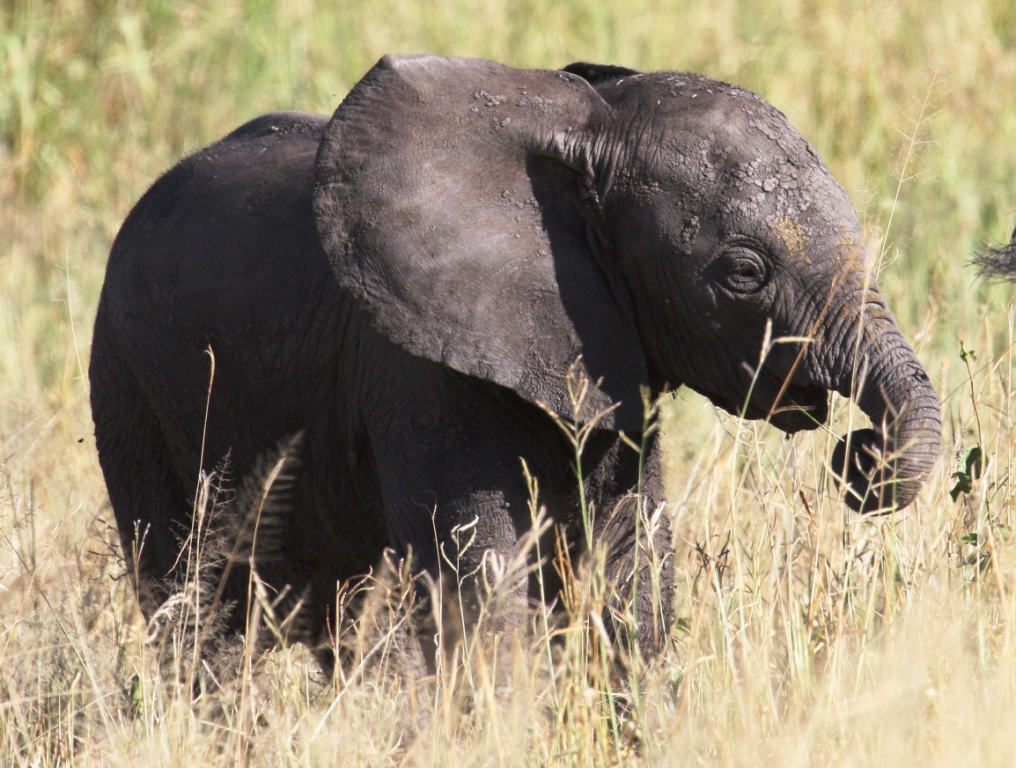
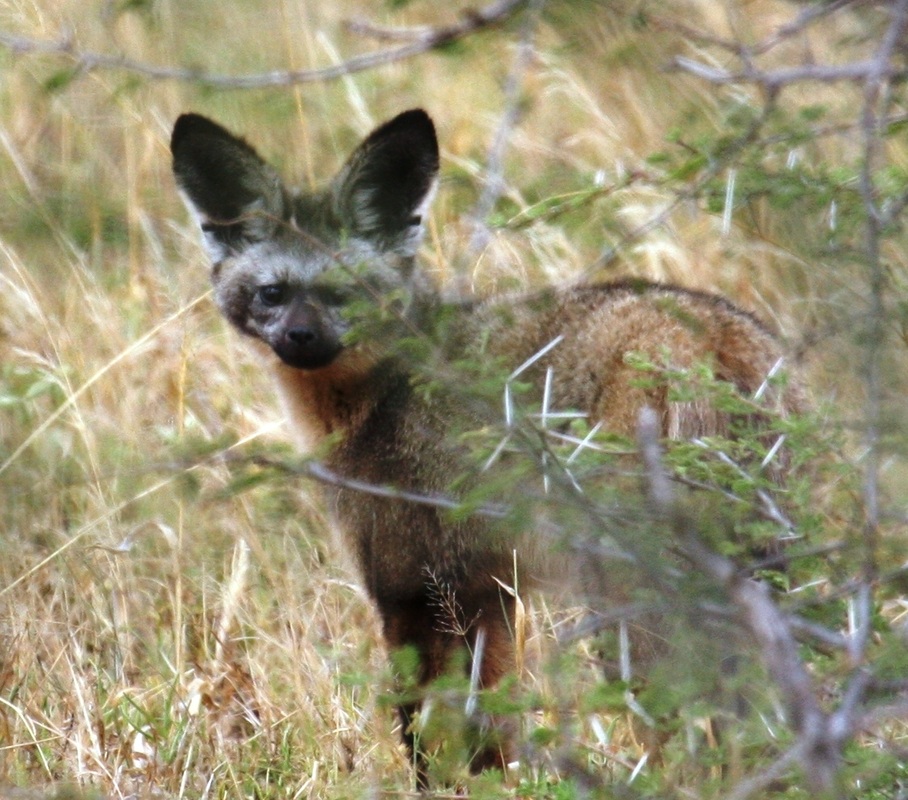
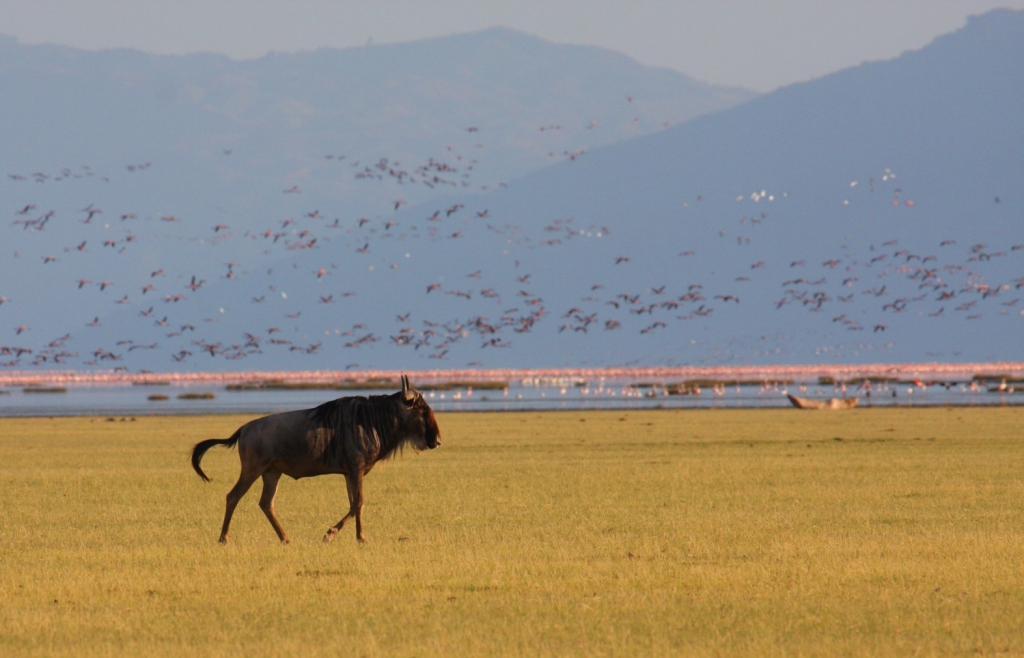
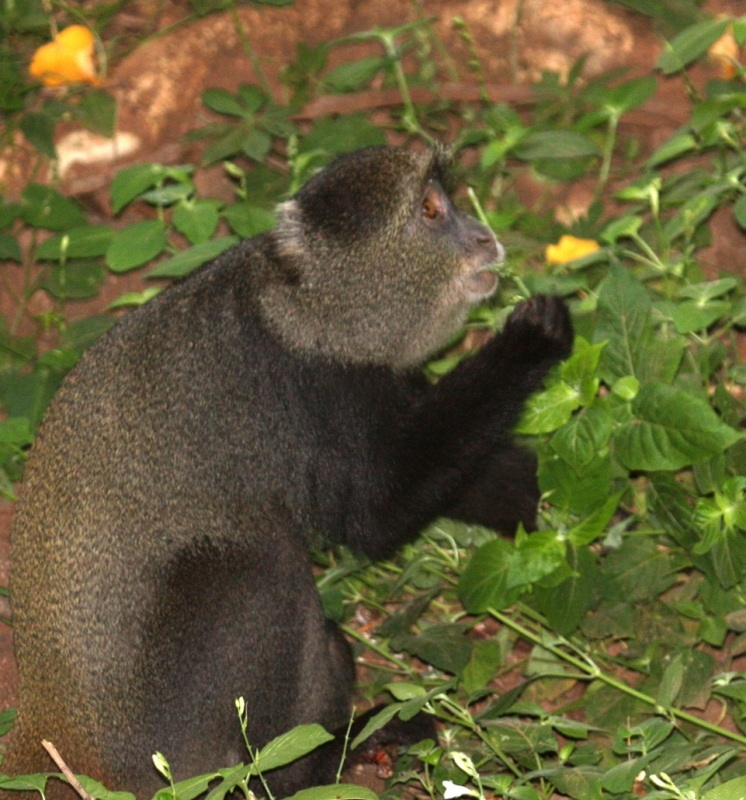
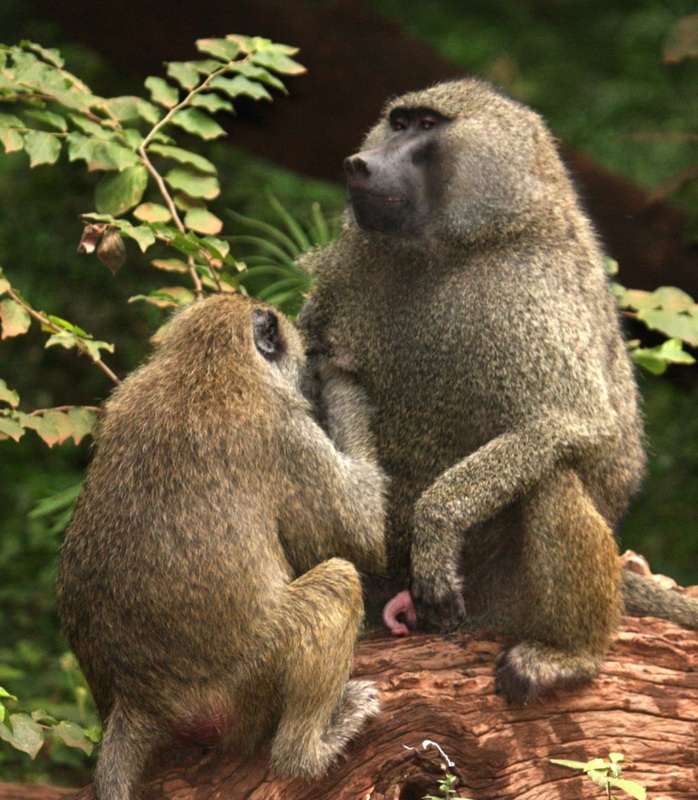
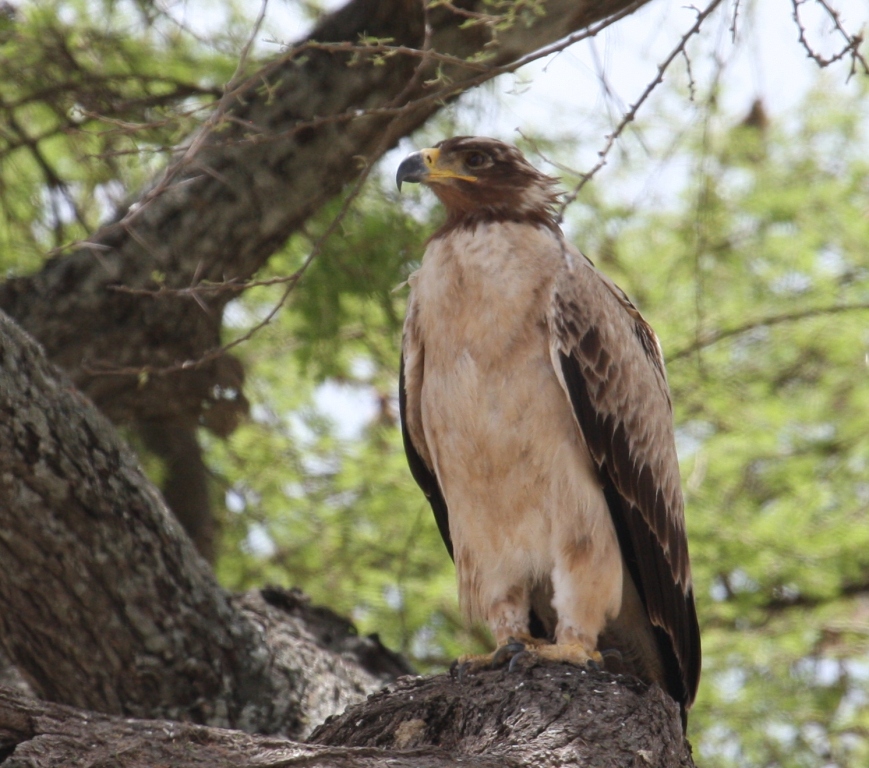
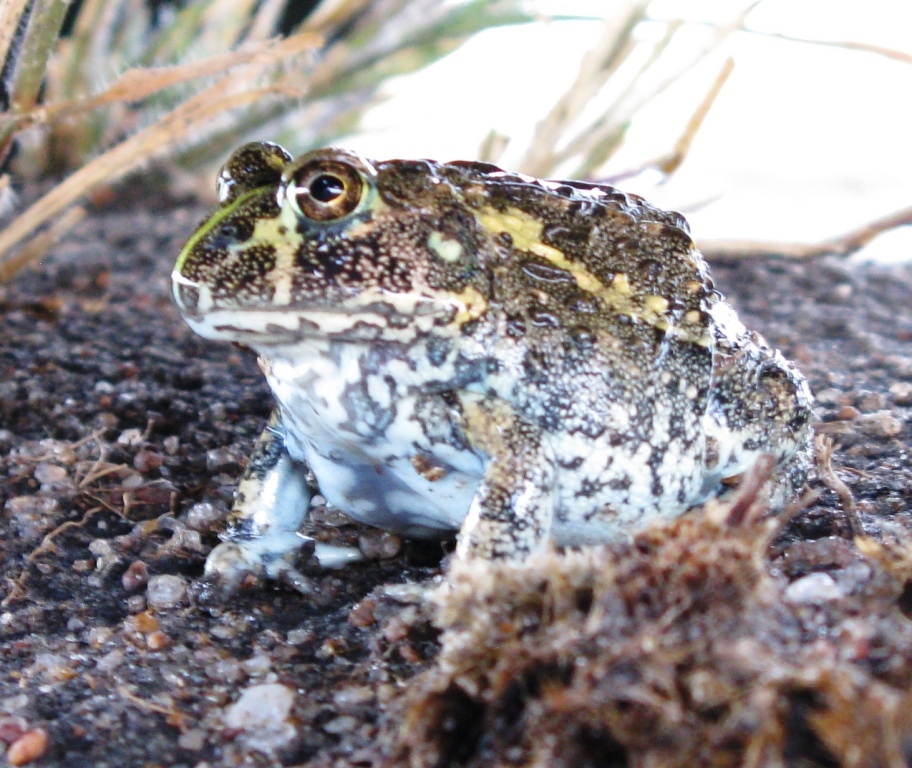
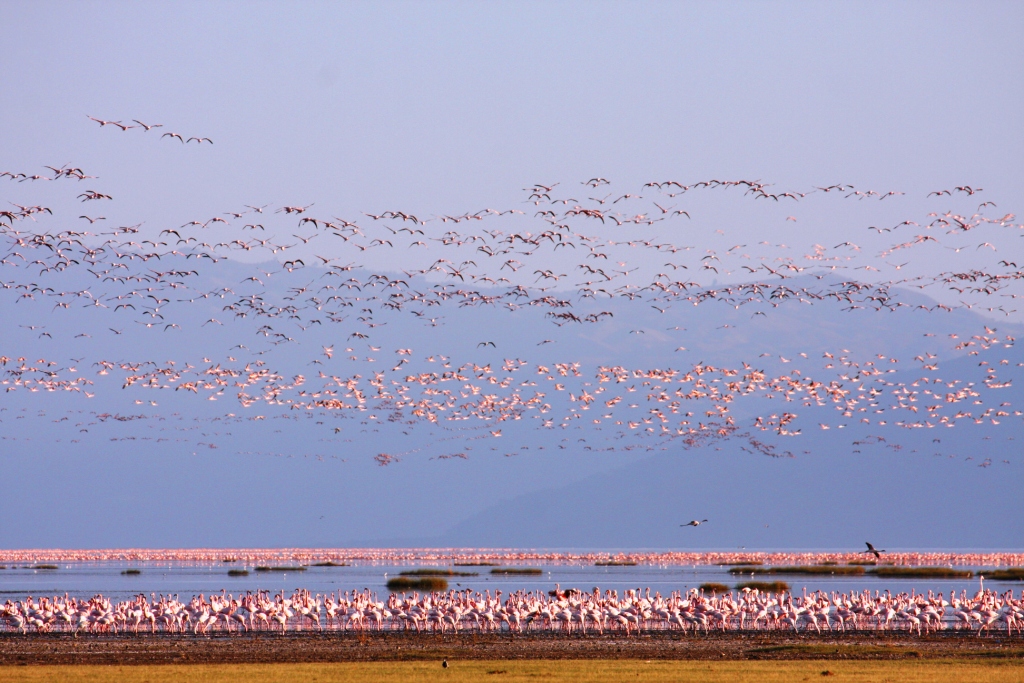
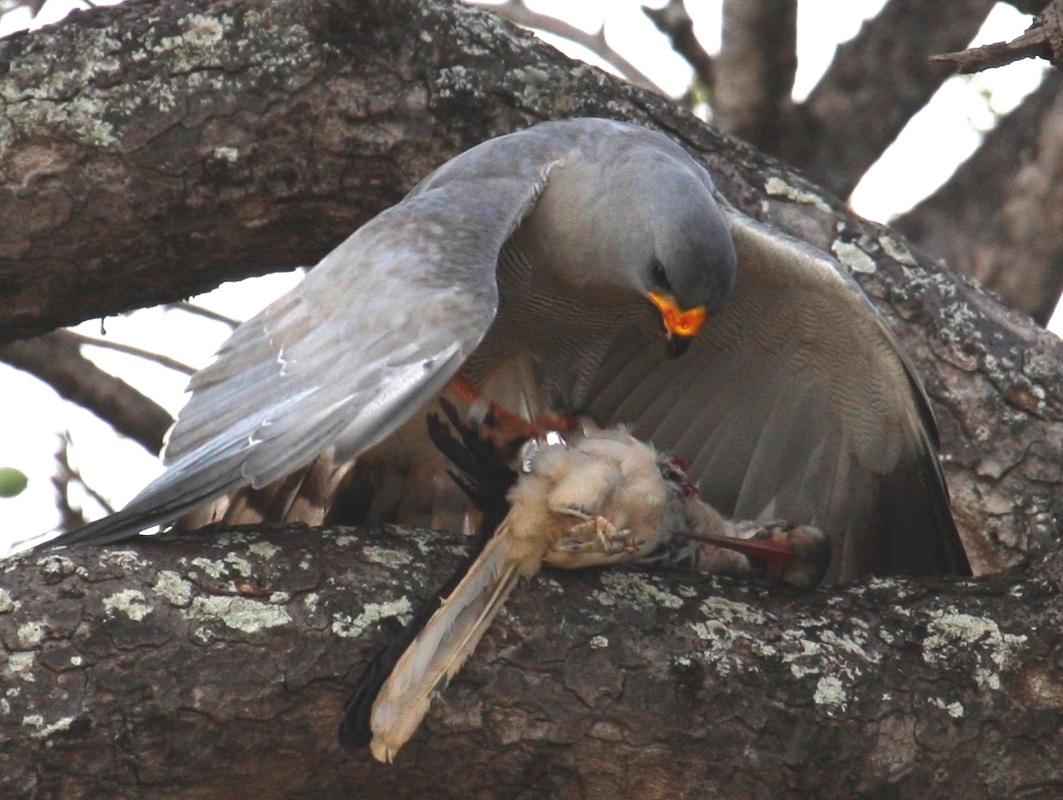
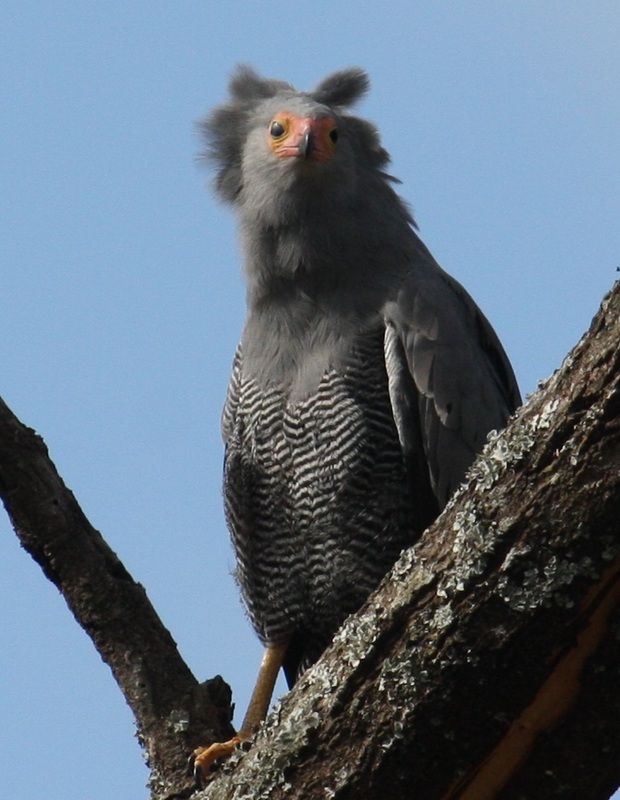
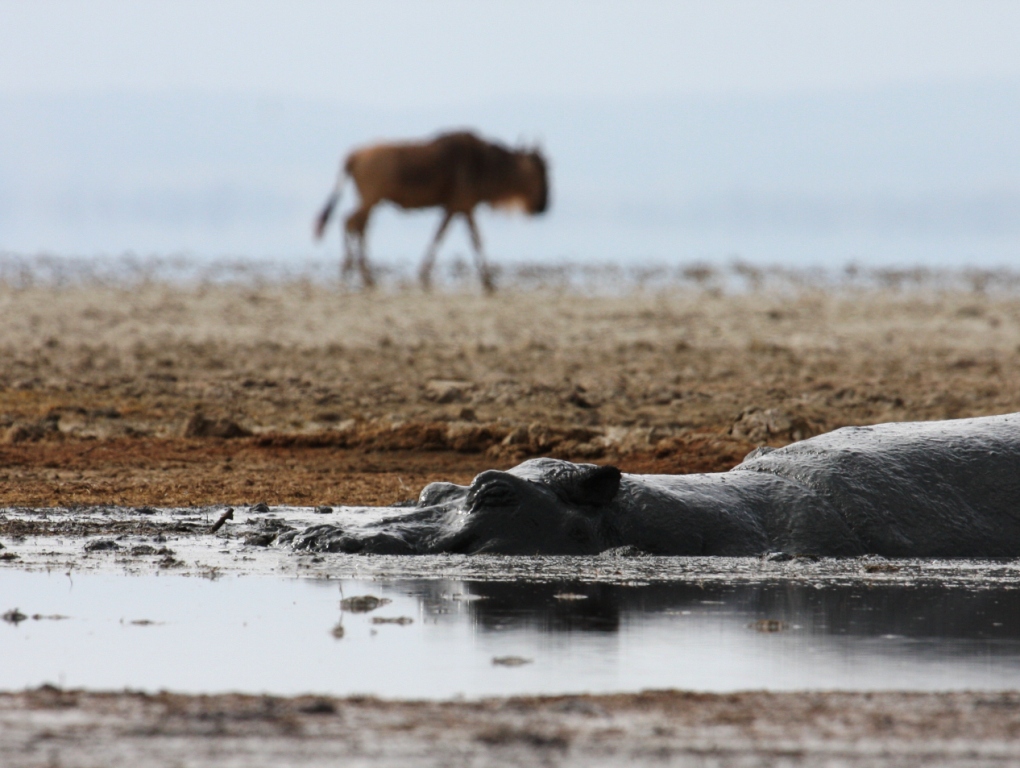
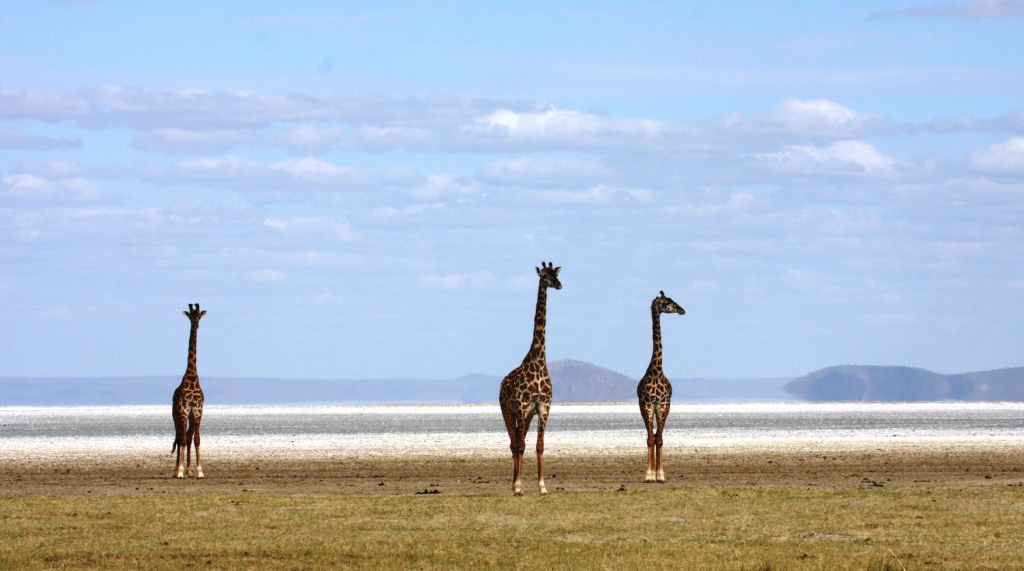
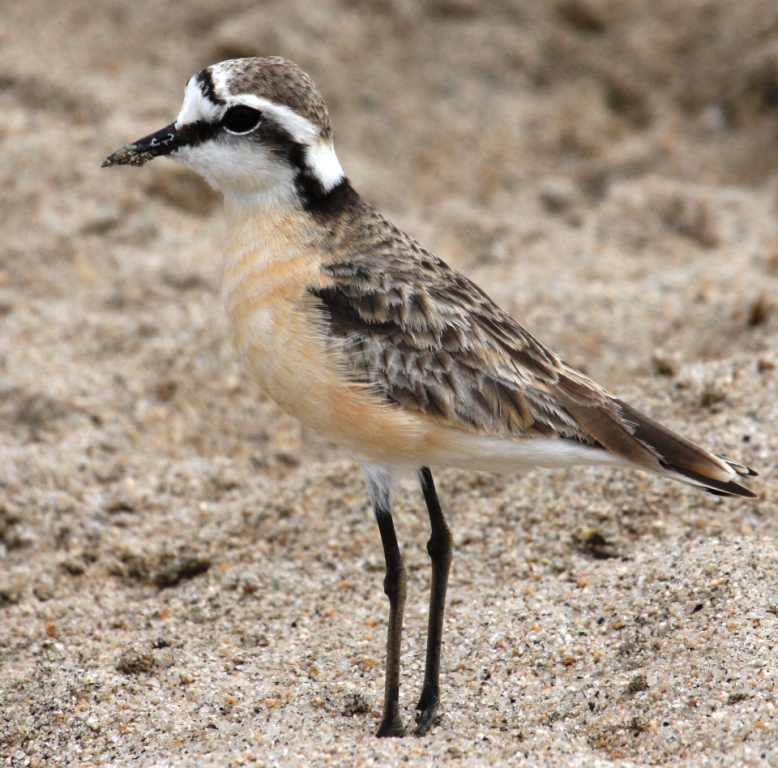
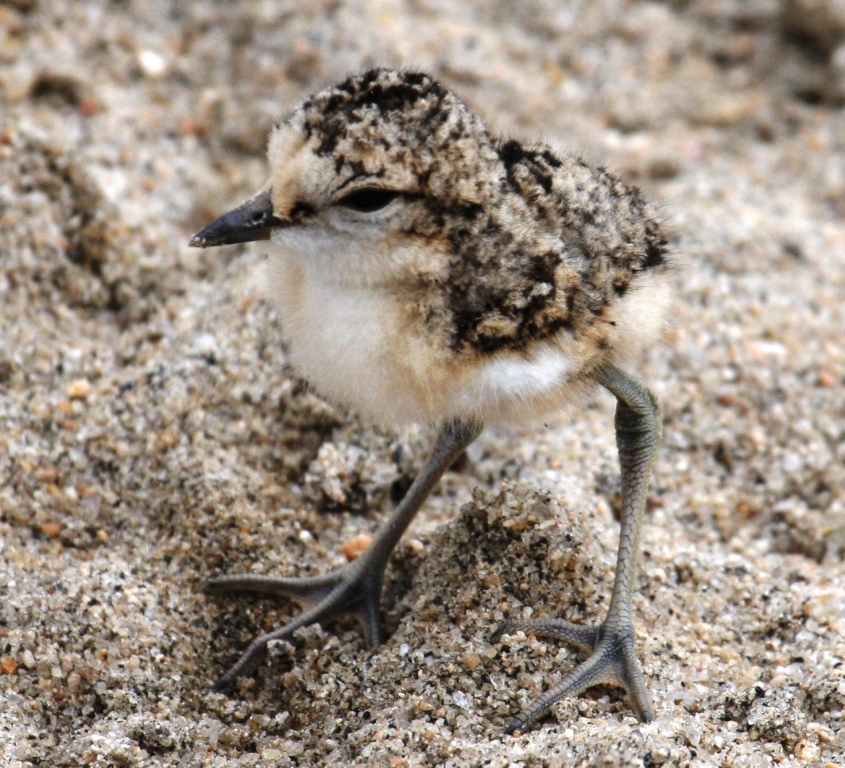
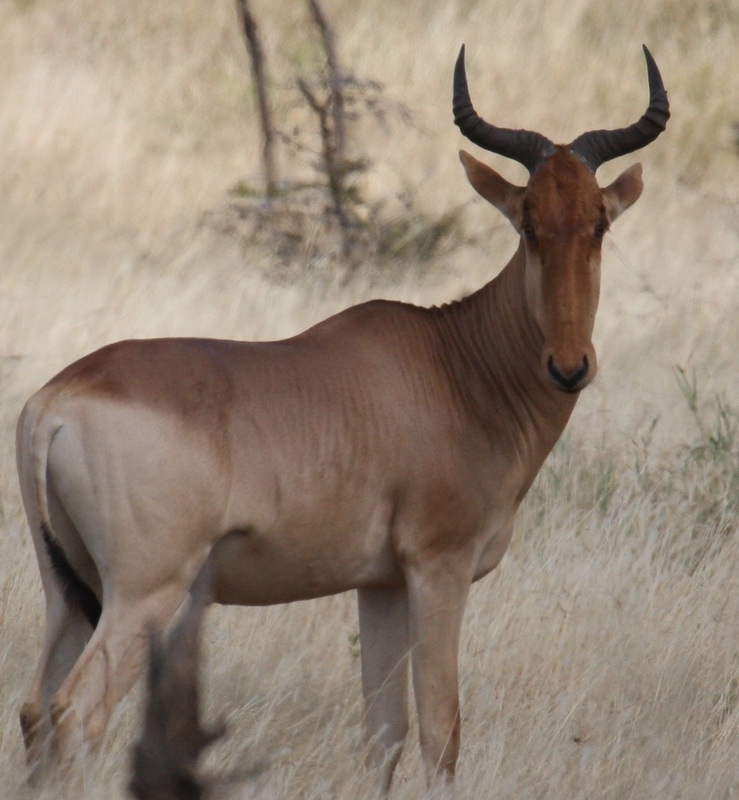
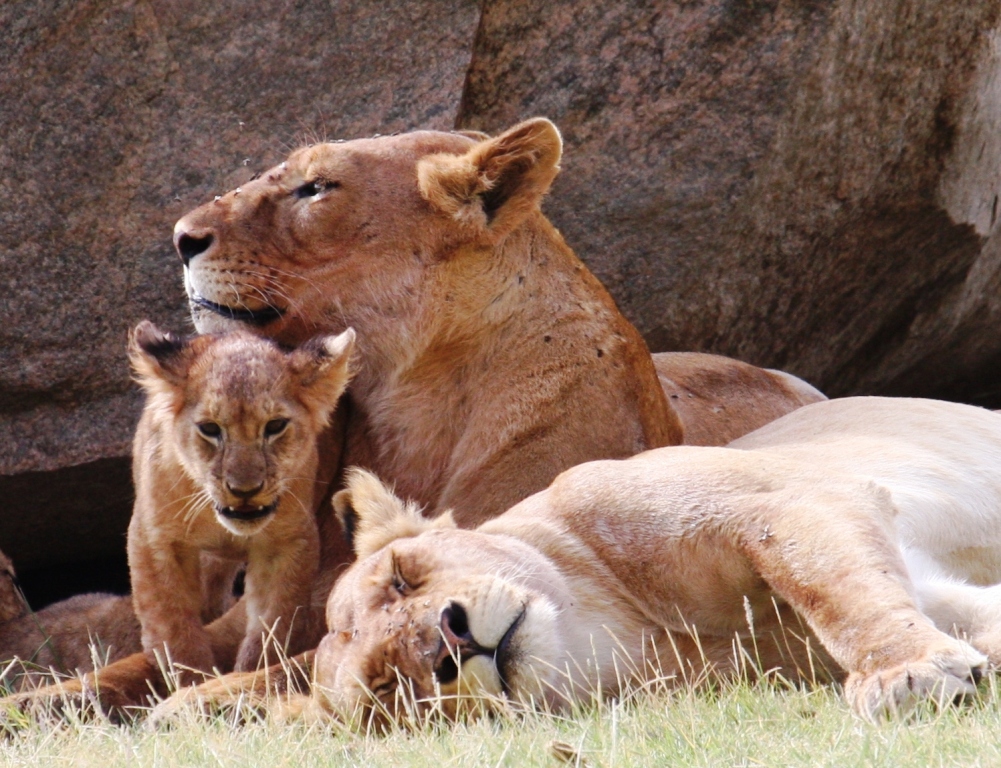
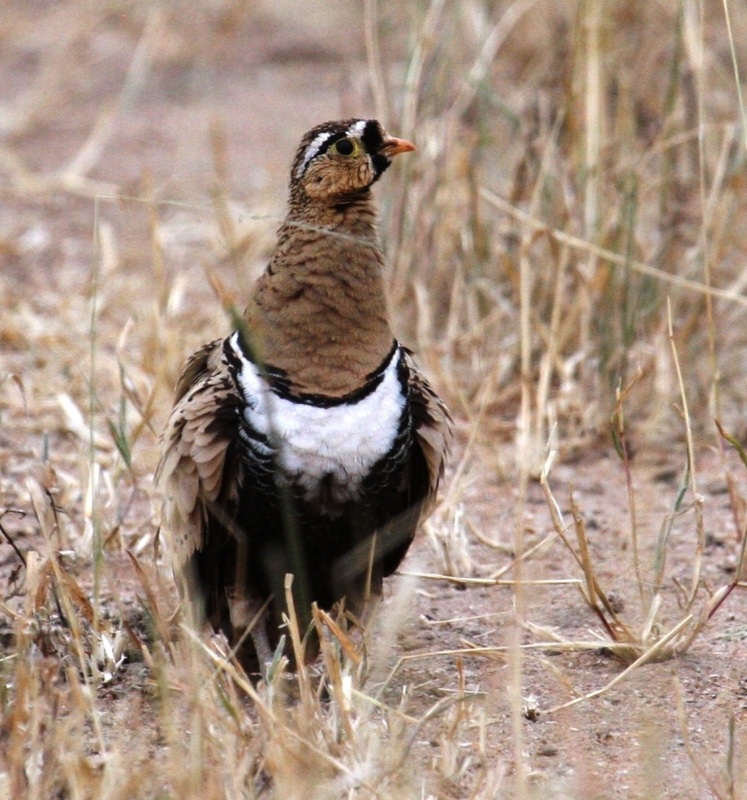
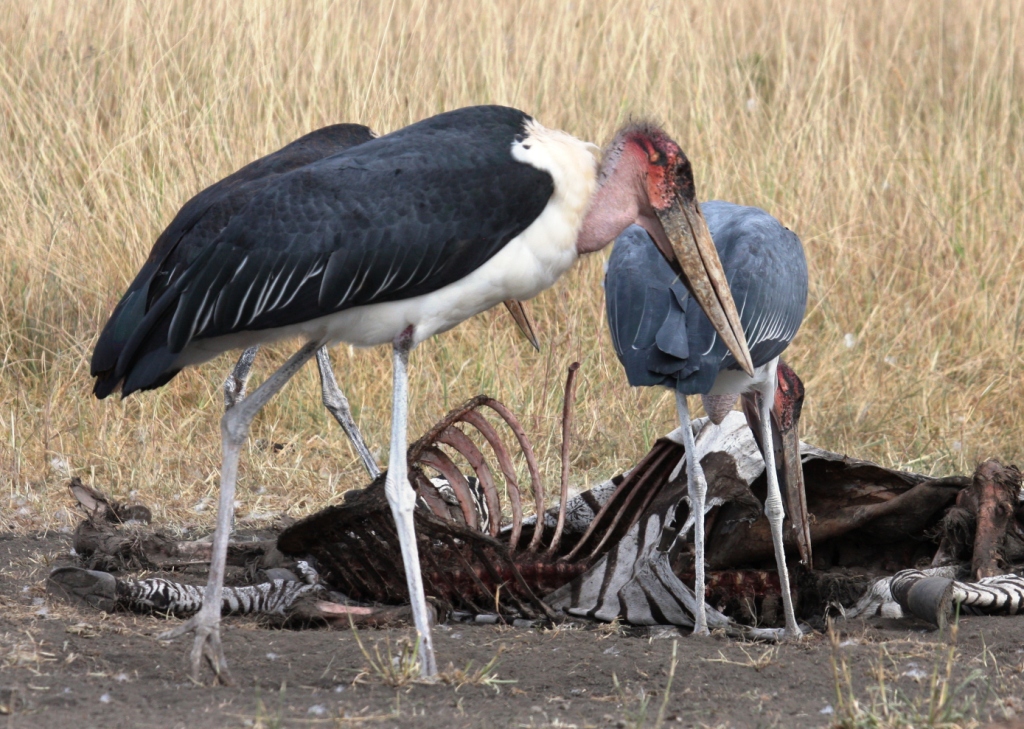
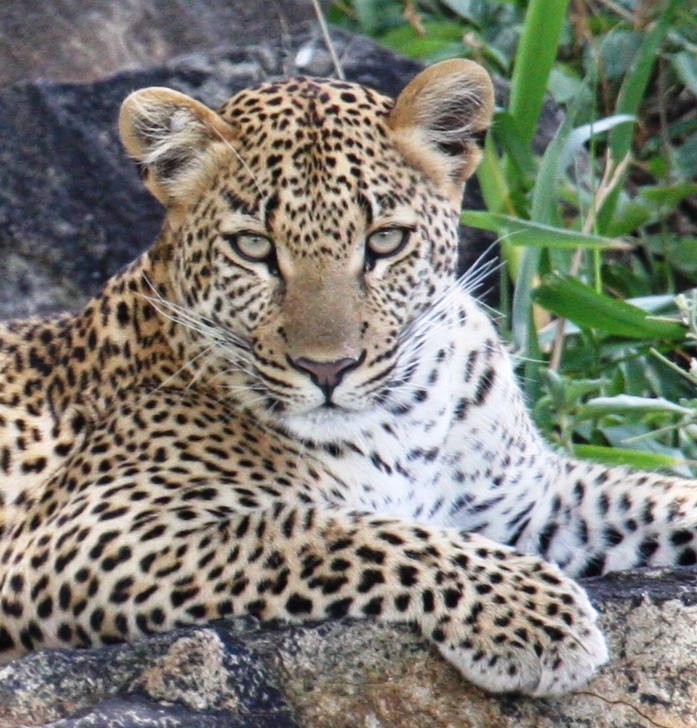
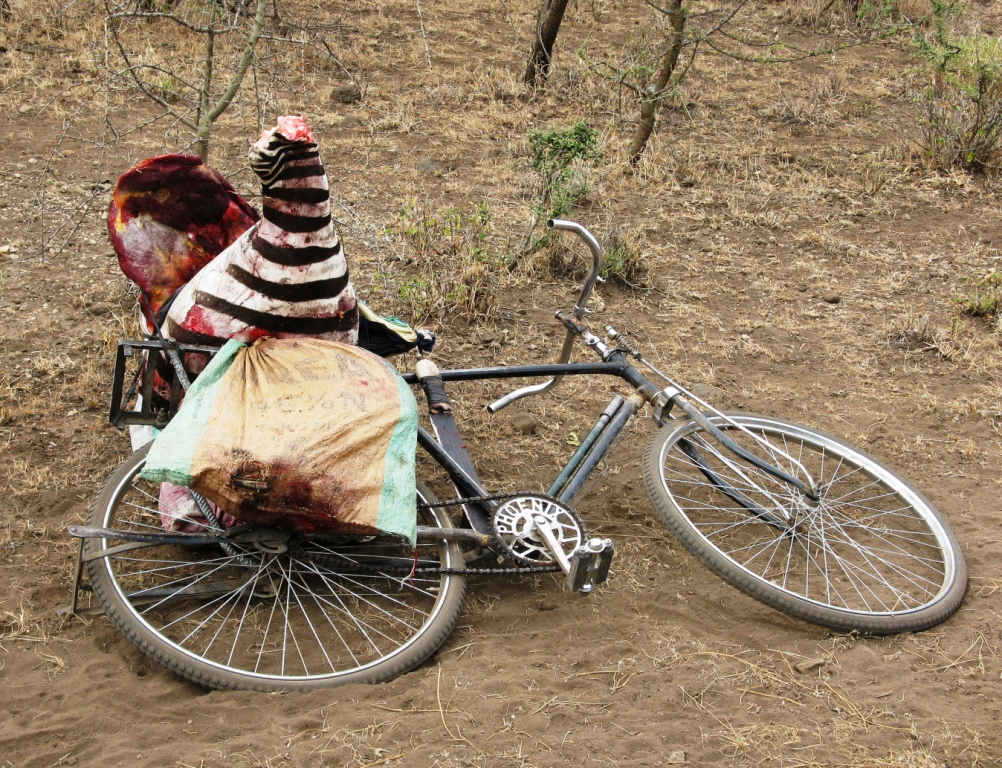
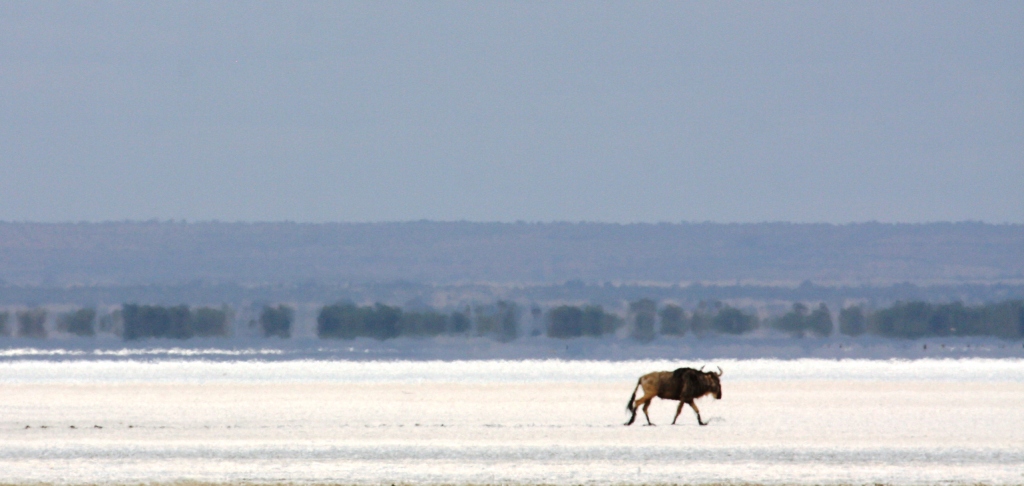
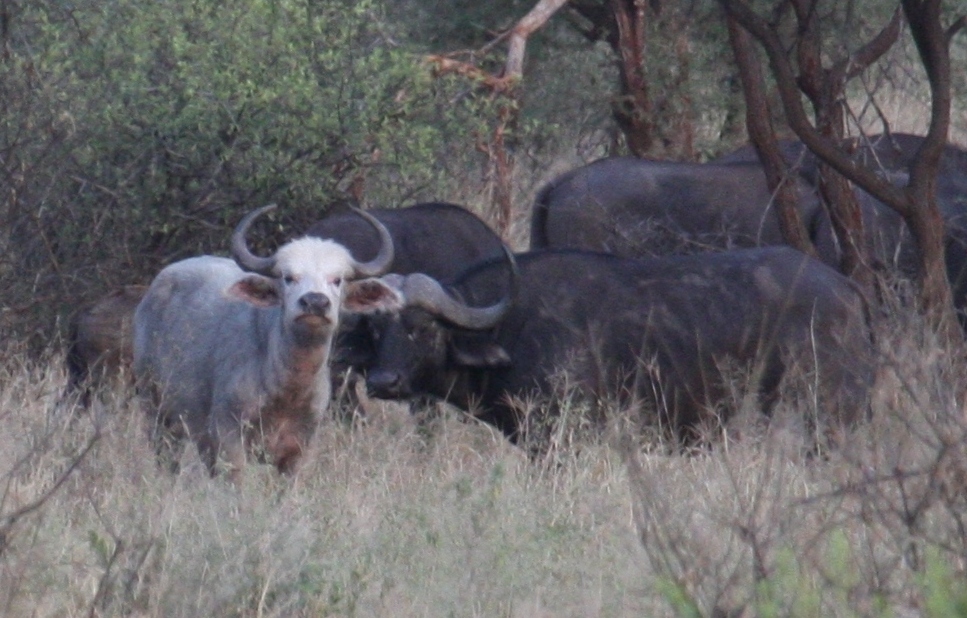
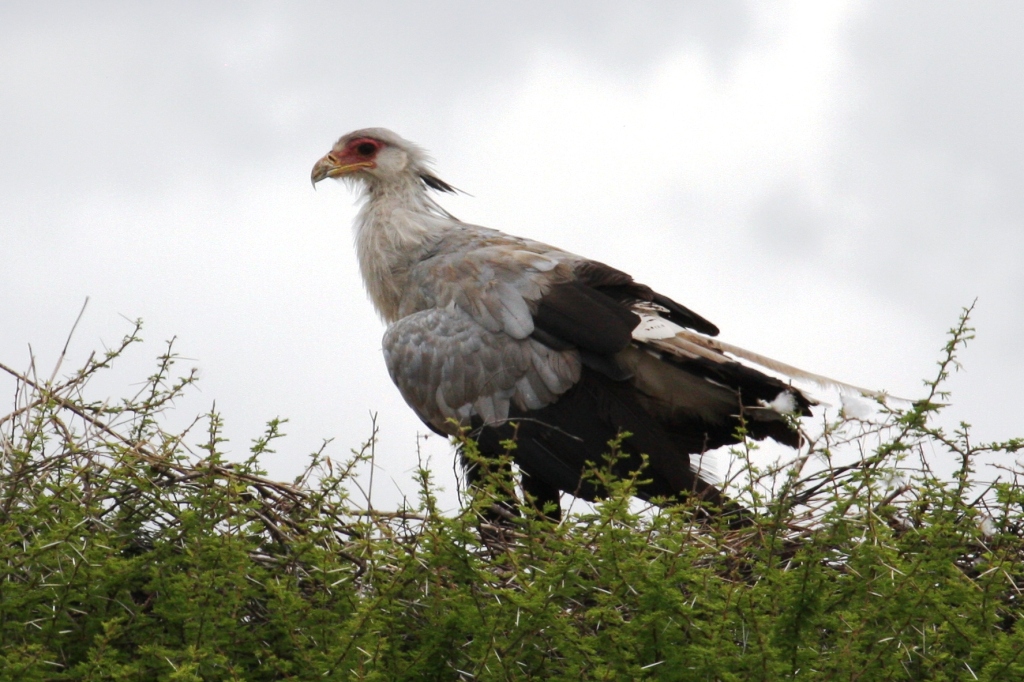
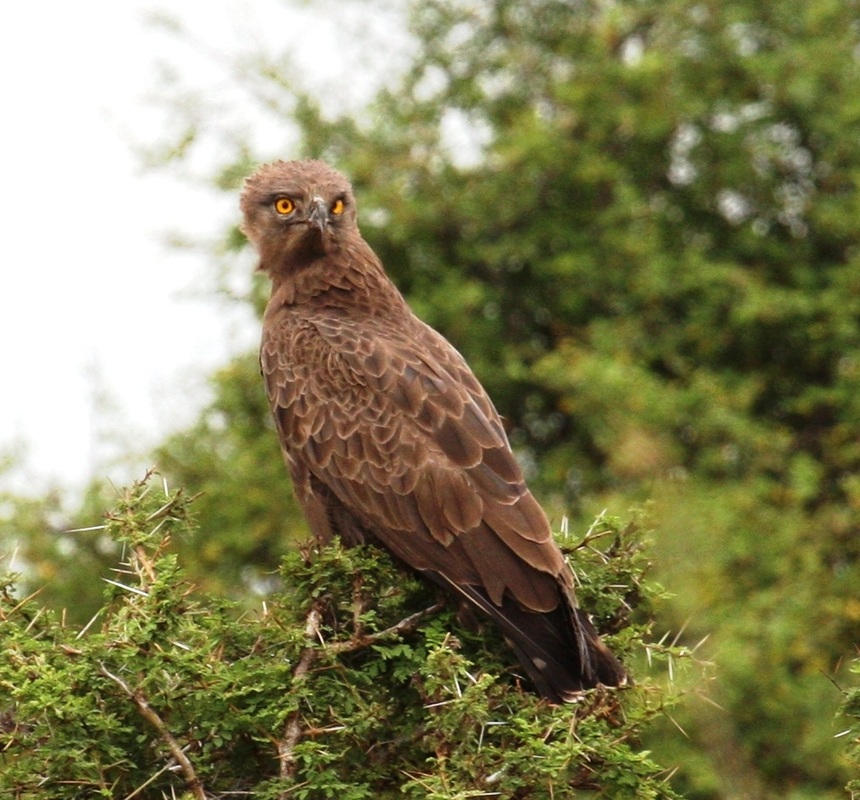
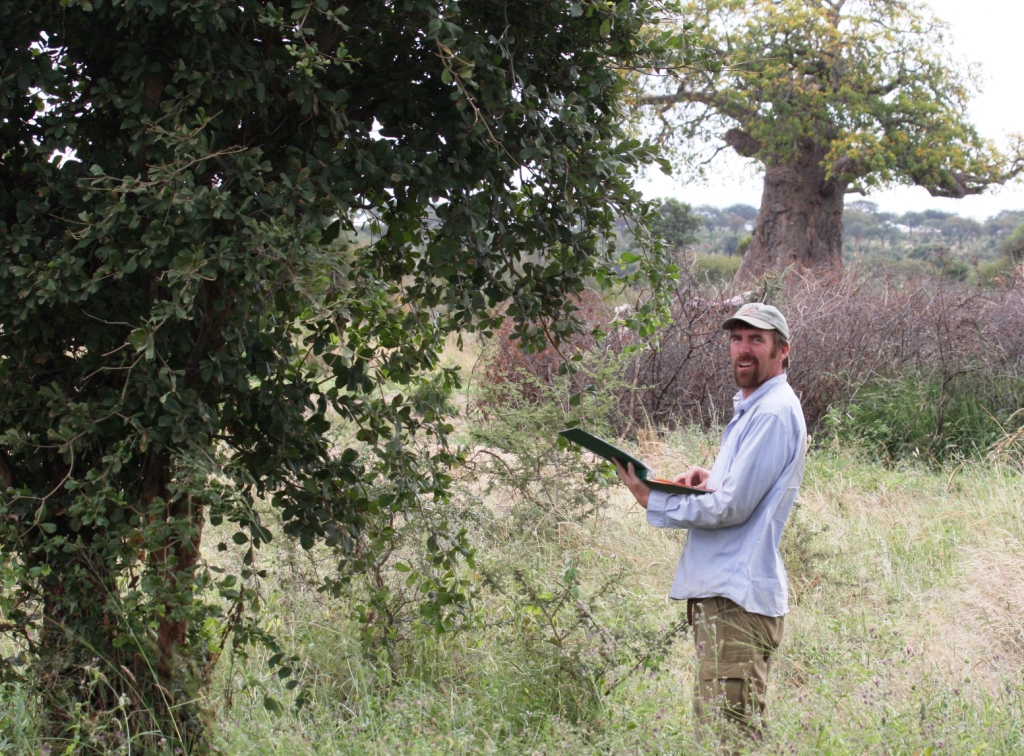

Derek is back in Hanover after a terrifically successful trip collecting data for our Maasai Giraffe Conservation Project.  He's busy organizing the thousands of giraffe photos he took for the photo mark recapture analysis, but here are some more fun pictures of the beautiful Tarangire Ecosystem in northern Tanzania.
 
 
Monica continues her research with The Institute for Bird Populations on foraging ecology and space use of black-backed woodpeckers in burned snag forests of the southern Cascade Mountains of California.
Picture
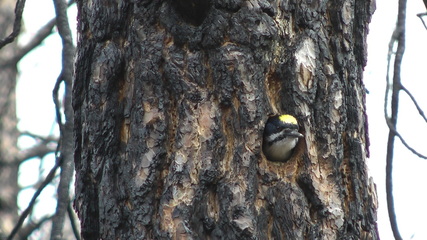
Both male and female black-backed woodpeckers incubate eggs, brood young, and work hard to feed their chicks.
Picture
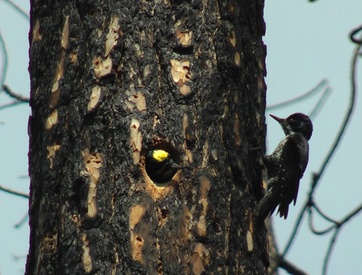
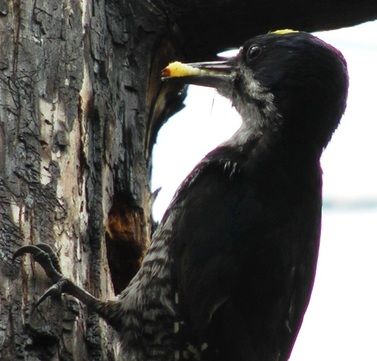
The male is identified by the yellow patch on his head: females lack the yellow.
Picture
Black-backed and other woodpeckers thrive on eating larvae from wood-boring beetles, which are abundant in burned forests. This male is feeding his chicks in the cavity.
Picture
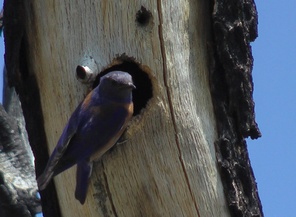
Other cavity nesters, like this western bluebird, cannot create their own nesting holes and rely on woodpeckers to make them. These cavities are prime real estate!